Tennessee Mountain Stories

Say Thank You to a Vet

I am posting this article earlier than usual because I wanted to be sure to be on time for Veteran’s Day.  This is a holiday we need to pause to recognize those brave men and women who have fought for our nation; they deserve our attention for at least one day each year.  However, I found myself struggling to find the words; I started the article two or three times but couldn’t get it just right. Then, as I was baking a rather pitiful Happy Birthday cake for a very appreciative Marine (the USMC turned 240 years old yesterday and it turns out Marines don’t care so much if their cake is pretty so long as it’s sweet!), I suddenly realized that it is the effort – the service - that we must recognize and appreciate even if the words are not especially eloquent.

We are now more than 150 years past The American Civil War and seventy years past World War II, the stories of the common soldier are fading fast.  I really appreciate those people and organizations that have worked to preserve those stories and I’m always asking for them whenever I have a chance to talk with a veteran.  In fact, I’ve recently re-connected to one of my cousins who served in World War II and one of the first stories I wanted to hear from him was about his war-time experiences. (I’ll be sharing some of his stories over the coming weeks.)

Today I thought I’d share a little story with you about my great-great-grandfather, Philip Perie.  Now, if you read much of my stuff, you’ll often see glimpses of “Grandpa Perie” for his life, and the legends that live on about him are certainly story-material.

Grandpa Perie was born in 1822 – at least that’s what his tombstone says.  We wouldn’t usually doubt that date, but census records from the late 1800’s give ages that don’t correspond with that birthdate.  Still, he was born in Falerna, Italy and had at least one brother. 

Italy in the nineteenth century was a conglomeration of states ruled by foreign powers with a populace fighting for independence.  Therefore, the country was torn by one civil war after another.  I’m sure that every home had lost a father, husband or son to these wars and Mrs. Perie desperately wanted to give her own boys a better chance at life.  So, she worked her fingers to the bone to earn passage to bring them to America.  She first sent Joseph to America and he situated himself in Chicago, Illinois.  Then, in 1856 Philip followed and declared at the port of entry he was bound for Chicago.  He was already thirty-two years old, not an especially young man in those days.

So many immigrant stories begin with peasants buying passage to the promised-land only to arrive on our teeming shore to find the tired, poor, huddled masses were still pretty tired and poor.  And those fleeing from political unrest and persecution often found more of the same in America.  Yet, they came and they adopted America as their home and when war broke out, they chose a side and took a stand. 

I can’t even imagine what either Philip Perie or his mother must have felt when he’d been here just nine years and The American Civil War broke out.  I don’t know whether he enlisted immediately or waited until he was draft; whether he joined the Army for the regular paycheck, as many immigrants did, or if he truly believed in the cause of the union is lost to history.  But he fought and for the rest of his life he was proud of that service. 
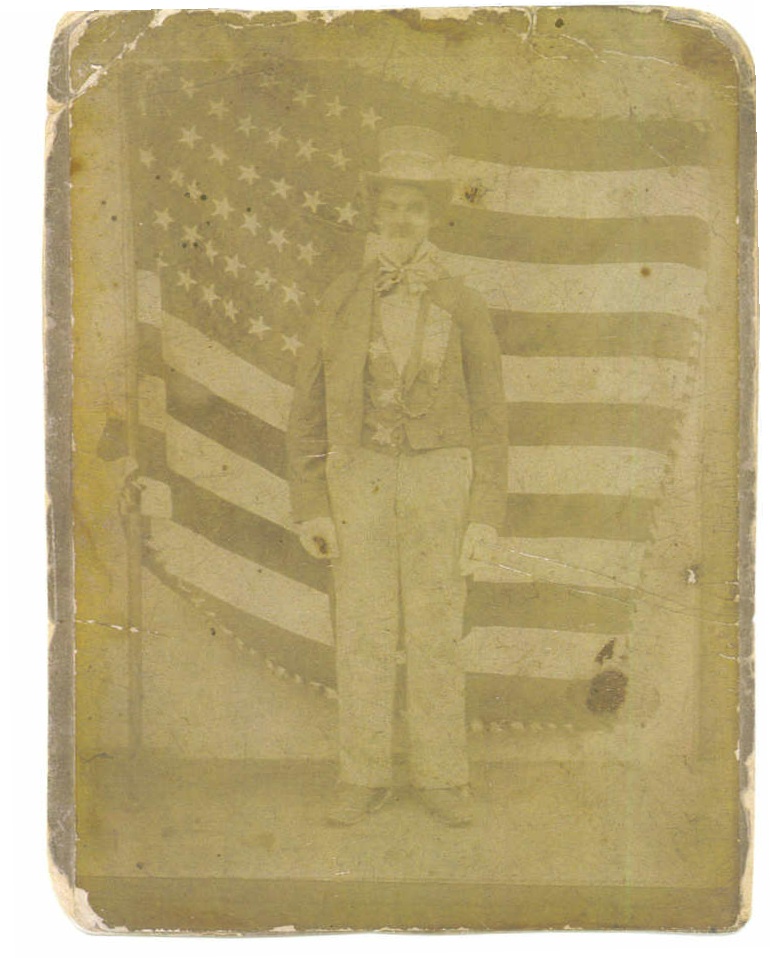
I’m including a couple of pictures of Grandpa Perie in front of a giant flag; I don’t know if the Uncle-Sam-look is by design or perhaps the iconic recruiting mascot is modelled after Philip’s generation.  Even with so many questions remaining, doesn’t this old man simply exude patriotism?  Doesn’t he rather make you want to take your own stand for liberty?

Our brave soldiers, sailors and Marines have marched into battle for many different reasons over the years and every one of them ought to be remembered with great pride.  There are many things I would change in our nation today if I had the power, and our liberties do seem to be under attack on many sides.  But we still enjoy the greatest freedom on earth and that freedom has never been free.

Please say thank you to a vet today.
Final Stop on The Tour of The Upper Cumberlands

We’ve spent twelve weeks touring the Upper Cumberlands through 1940’s spectacles and from the perspective of Dr. Willis Baxter Boyd in his promotional booklet The March of Progress in the Upper Cumberlands of Tennessee. Today I’d like to wrap up the tour with stops in three towns and three additional topics. 

McMinnville, TN

McMinnville, TN

If we drove this route today, it would be about fifty-seven miles up highway 56 and we would not pass any other towns on the tour.  But these three stops seem logical to group because The March booklet presented them in such a similar fashion.  Facts are presented about each location and they are certainly painted as appealing places to visit or even live.  And while the vast resources of the area are detailed, there doesn’t seem to be any real effort to recruit industry to these towns. 

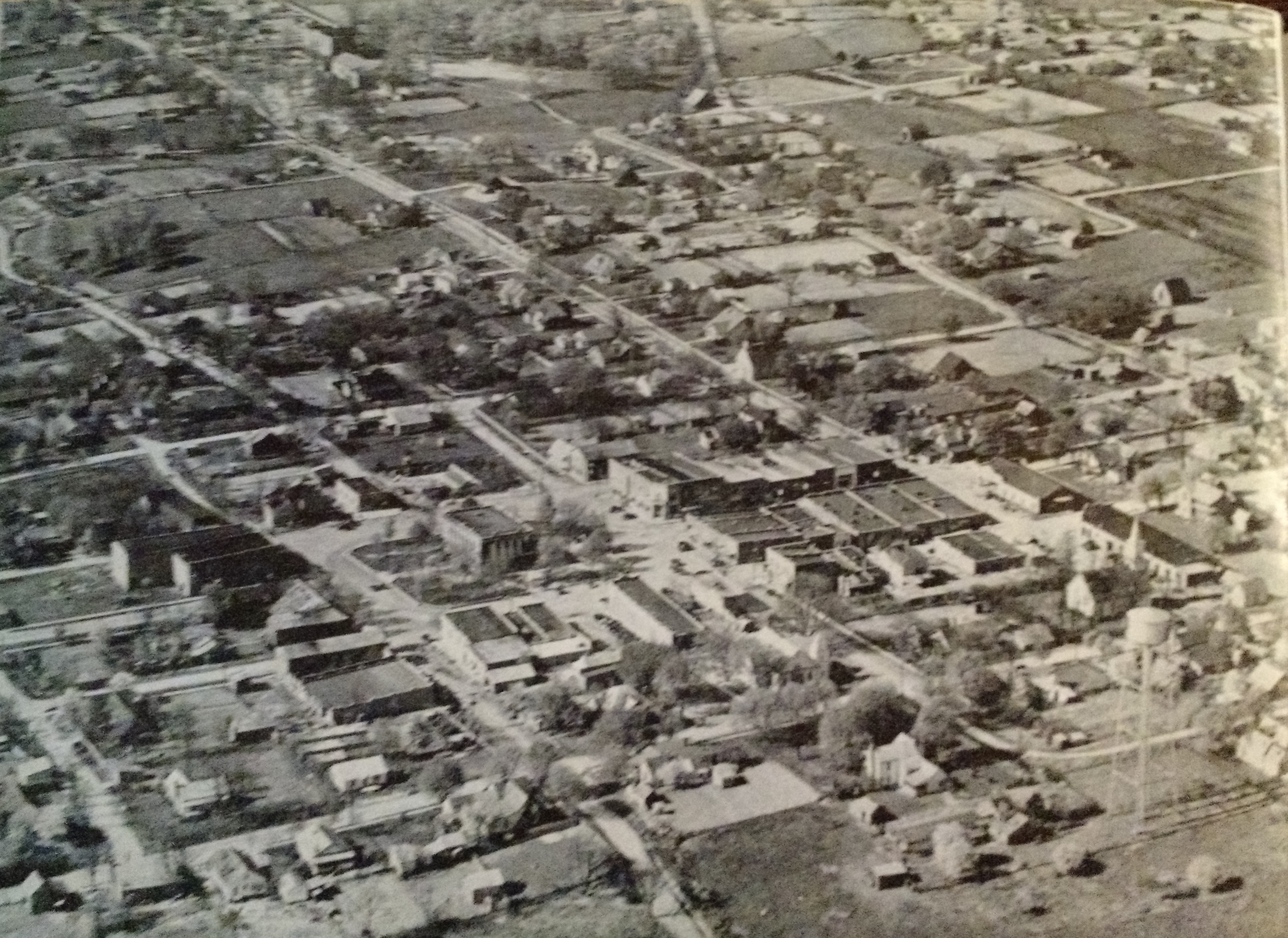
Furthest north of this group is Carthage, Tennessee.  This is the first town in the booklet that wasn’t accompanied by a motto; it is simply presented as the county seat of Smith County.  Carthage does sit at the confluence of the Caney Fork and Cumberland Rivers.   It is the last point at which the Cumberland River makes a junction with a railroad since the Tennessee Central had a branch line into Carthage.

Farming of various stock and crops was the primary industry in Carthage with burley tobacco being the second highest means of cash in the county.  The highest ranking crop was not named.  The average size of farms was sixty-three acres.

No doubt due to the ease of transportation and the great supply of tobacco, five large warehouses were established by the Carthage Tobacco Board of Trade and bought tobacco from fifteen counties.

Just twenty-seven miles south you will find Smithville, “The City of Hospitality and Friendliness”.  The county seat for DeKalb County, Smithville was home to Consolidated Bus Lines, Seven Springs Health Resort and a “government owned and operated airport and [aviation] radio station.”

The Seven Springs Resort seemed to have all the same water that Red Boiling Springs had, as we discussed here a couple of weeks ago.  However, I found it very interesting that the resort was minimalized in the booklet’s article.  It made me wonder whether that resort was ever as large as Red Boiling Springs had been.  However, an internet search yielded no answers.  Neither The Smithville City Hall website nor Wikipedia makes any mention of the resort nor does it have a site of its own.  Perhaps one of you readers will know more about this; if so I sure hope you’ll leave a comment.

Our final stop is McMinnville, “The Southern Gateway to the Upper Cumberland.”  This county seat for Warren County lies on Highway 70-S which The March bills as “The Broadway of America”, the longest cross-country highway in America.  There were six other “important roadways” radiating to all points on the compass. 

The article lists advantages in locationand natural environment being service by the Sparta branch of the N.C. & St.L Railway.  Ten manufacturers and at least five nurseries were already located in Warren County. The nurseries had annual receipts exceeding one million dollars in 1940 – that’s more than $16 million in today’s money.

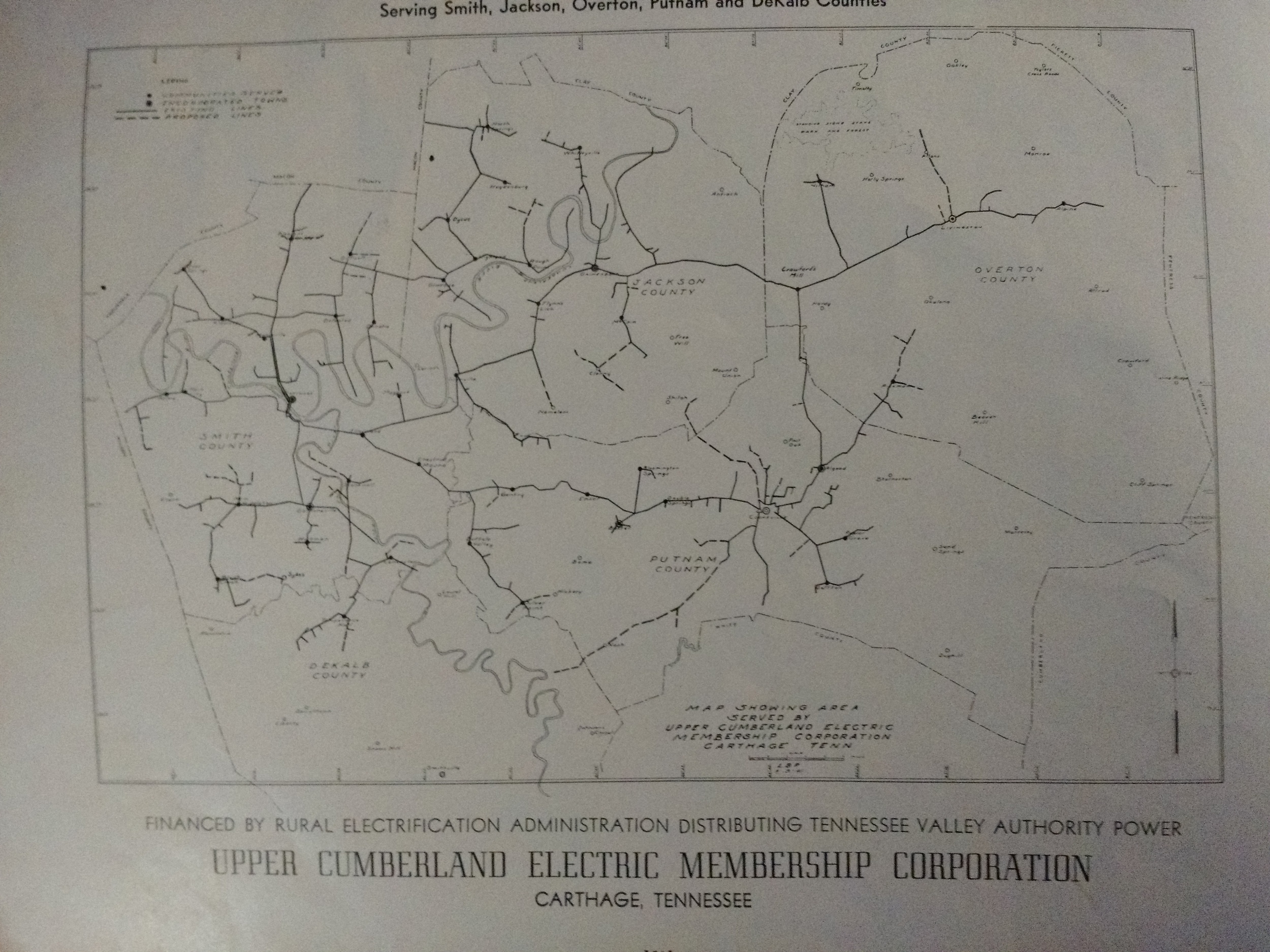
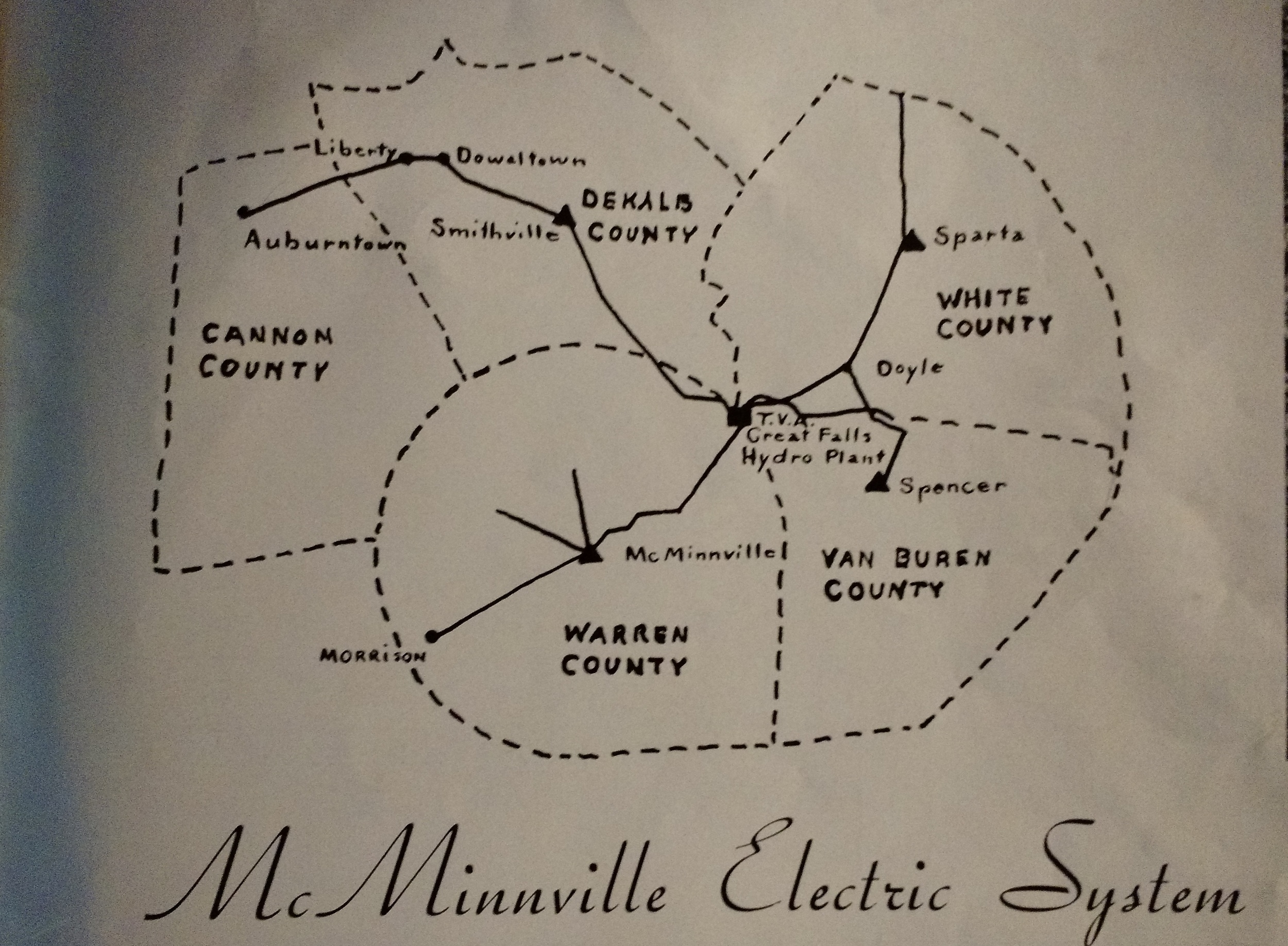
The booklet includes a map of areas served by Upper Cumberland Electric Membership Corporation within the Carthage article, however, there is no text accompanying the map, nor is there any detail given within the article.  Prior to the establishment of TVA, private electric companies like this one could be established and serve a given area.  While it’s certainly possible there were other companies serving the region, the immense white space on this map is startling to my 21st century eyes.  There is another map for McMinnville Electric system  which shows coverage in DeKalb, Cannon, Warren, Van Buren and White counties.  This map has even more white space than the Upper Cumberland Electric.

TC Engine 1.jpg

The March booklet also gives a two-page mention to the Tennessee Central Railway Company, noting it is “The Road of Personal Service”.  Unfortunately, very little information is given about the railway itself which struggled with financial difficulties for decades and finally terminated passenger service to the Eastern division in 1955 and ran its last train in 1968.  Still, this railway was a lifeline for the plateau for over sixty years.

Several previous articles in this series have well established that the booklet’s author was certainly an equestrian enthusiast.  Therefore, it’s not surprising that he promotes the Tennessee Walking Horse for mountainous and hill country.  In this article, he gives great detail to the blood lines for pure breds and I was particularly interested that he points out the value of Walkers for pleasure as well as farm utility.  Remember that this book was written when there were still few tractors on farms in the Upper Cumberlands so horses and mules were harnessed every day.  He also gives mention to the W.J. Evins Stables both in the Smithville article as well in an article of its own.

I’ve really enjoyed working my way through this old document and sharing it with you.  It stretched my understanding of “The Upper Cumberlands” because a lot of the places we’ve discussed are what we would consider “under the mountain”.  Certainly some of the towns were more dynamic and interesting, and after reading this book I want to spend more time in some of them and want to learn even more about others.  I’d sure love to go stay in one of those historic hotels in Red Boiling Springs and I’m ever more fascinated by the history of Monterey.  I intend to finish reading Mark Twain’s The Gilded Age and see if Jamestown shines forth from the pages; and I certainly want to learn more about The Free Hill Community near Celina and Virginia Hill who freed slaves and left her children in our mountains.  I hope you enjoyed the series and that it’s given you a bit fresher perspective on some of our neighboring towns.


Domain of Cumberland County

We are nearing the end of our Tour of the Upper Cumberlands and this stop in Crossville is a very familiar one to me and to all of my regular blog readers.  I’ll link some past articles where I can in this week’s story.

For most of my life, Crossville was "town", it was THE PLACE to go if you needed anything.  Going ‘off the mountain’ was not something we routinely did, therefore Cookeville wasn’t a regular destination and we certainly didn’t go to Knoxville, Chattanooga or Nashville unless someone was very sick or coming in on an airplane – and the two were equally rare. 

Crossville has changed so much in my lifetime that it’s really hard for me to imagine what people who well-remember the town in 1940 must think.  The March of Progress booklet notes that it has a population of 2,000 people in town.  Compare that to the 2013 population of 11,246 and we can already see the immense change.  In 1940, there was “a $20,000 air-conditioned moving house” – ah that would have been the old Palace Theatre which very thankfully has now been fully restored and continues to be a source of entertainment for Cumberland County. 

When this historic booklet was produced, the CCC’s still had two companies at work in what is now The Cumberland Mountain State Park.  The book notes the recreational opportunities at the park as well as mentioning a total of ten lakes in Cumberland County for fishing. 

Image from: http://tnstateparks.com/parks/about/cumberland-mountain

Image from: http://tnstateparks.com/parks/about/cumberland-mountain

The Homesteads, which we’ve previously discussed here, are mentioned especially noting the hosiery mill and furniture factories located there.

Overall, this article seems to be recruiting farmers as it notes that only 20 percent of the county is currently in farms.  There are several mentions that homes and land can be had at very low cost and the profitability of livestock and vegetables are strongly touted. 

Only passing mention is given to Pleasant Hill.  The Pleasant Hill Academy had been in operation since 1884 and in the early 1920’s a medical clinic was established there which would grow into the modern Cumberland Medical Center (we’ve discussed that here in regards to health care on the mountain).  However, I suppose by 1940 the focus of Cumberland County had adequately shifted to Crossville so that the author of this promotional booklet felt little attention was needed in Pleasant Hill.  The academy would close just seven years later and by 1950 the Uplands Hospital would have relocated to the south side of Crossville as Cumberland Medical Center.

I just really love this directional sign now located on the courthouse lawn in Crossville.  I hope you can enlarge it on your screen to show that it gives general direction and miles to towns from Albany to the north, Chattanooga to the south, …

I just really love this directional sign now located on the courthouse lawn in Crossville.  I hope you can enlarge it on your screen to show that it gives general direction and miles to towns from Albany to the north, Chattanooga to the south, Knoxville to the east and Nashville to the west.

Red Boiling Springs “Nature’s Clinic for Sick People”

You may recall my talking about Monterey, Tennessee’s history as a resort town.  Well, just sixty miles northwest sits “a resort nationally known for the health restoring properties of mineral waters”.  Red Boiling Springs has four types of water, each of which was historically prescribed for different conditions.  This unique medicinal nature of the geography brought about one thousand people into town each year.

The Armour HotelBuilt in 1924 as The Counts Hotel, this brick building was rescued from deteriorating conditions in the late 1990's.  It is open today for year round enjoyment. Visit their site at www.ArmoursHotel.com

The Armour Hotel
Built in 1924 as The Counts Hotel, this brick building was rescued from deteriorating conditions in the late 1990's.  It is open today for year round enjoyment. 
Visit their site at www.ArmoursHotel.com

Tourism led the people of Red Boiling Springs to provide accommodations unheard of in most rural community and many small Tennessee towns of the 1940’s.  “Electric lights, an up-to-date water system, good highways, local doctors, drugstore and other similar modern provisions await the arrival of guests each month.”

The armour hotel today

The armour hotel today

The commercial aspect of Red Boiling Springs began in the mid-1840’s with the first inn being built by Samuel Hare.  By 1873 a stagecoach line had been established to deliver tourists from Gallatin which is located forty miles away and held the nearest railroad stop.  Then in the 1890’s a railroad spur was built to Hartsville and the stagecoach ride shortened to about twenty-five miles.  Doctors in town would prescribe the specific water your condition needed and how it was to be “taken”.  In addition to ingesting the water, there were bathing and steam options.

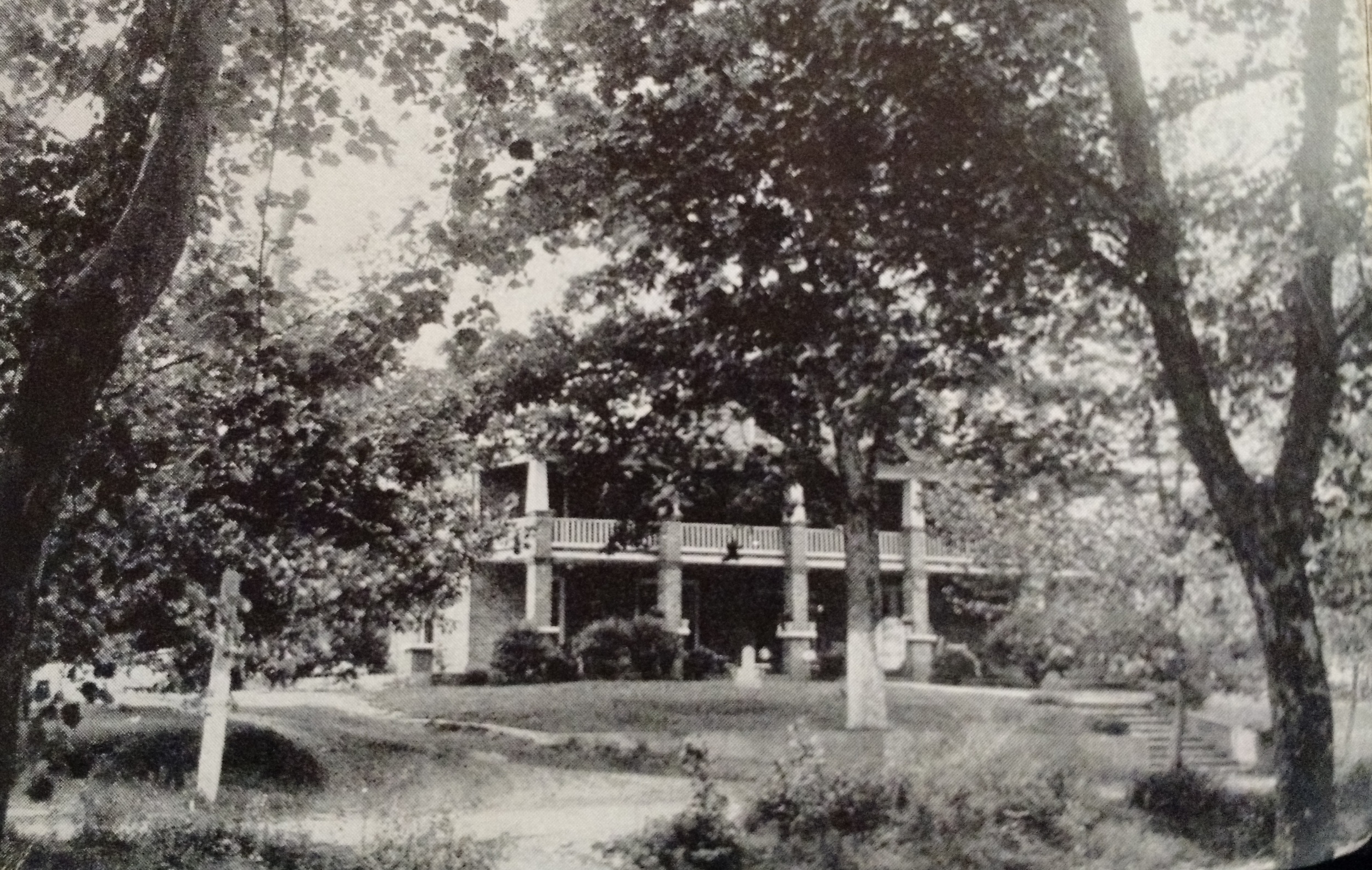
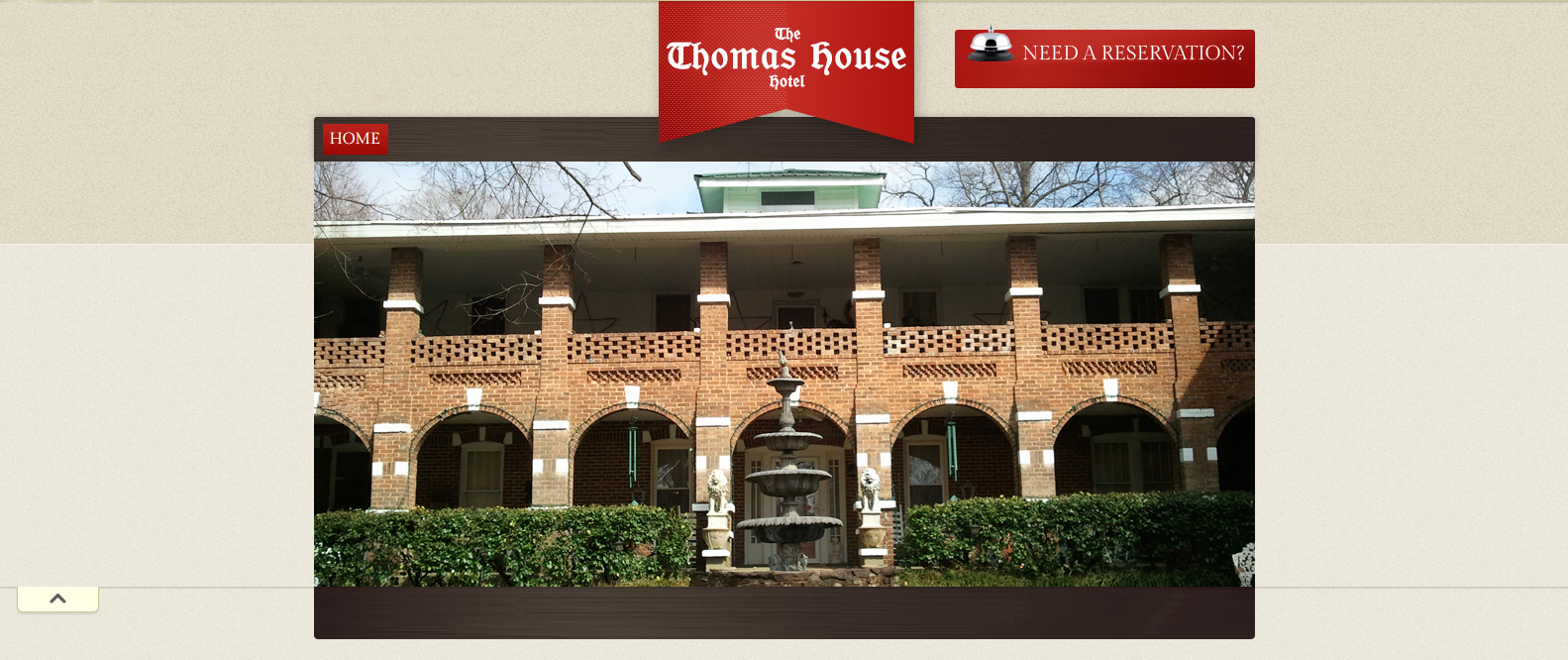
The Thomas HotelBuilt in 1890, this hotel sits on the edge of Red Boiling Springs' city limits.It is open today, serving home cooked meals in a 125 seat dining room and still offering the use of expansive lawns for games and relaxation.http://www.th…

The Thomas Hotel
Built in 1890, this hotel sits on the edge of Red Boiling Springs' city limits.
It is open today, serving home cooked meals in a 125 seat dining room and still offering the use of expansive lawns for games and relaxation.
http://www.thomashousehotel.com

The THomas Hotel Today

The THomas Hotel Today

While I didn’t find an exact number of hotels in operation in the heyday of the mineral springs, it appears there were at least five or six and they are big things, boasting fifty or sixty rooms.  Today there appear to still be three of the original hotels in operation and I have to tell you an overnight visit there has got to go on my bucket list for they appear to still be decorated with antique furnishings and memorabilia.  Moreover, at least one of them, The Armour Hotel still offers the steam treatment and mineral baths.  I’m including “then and now” pictures of the three hotels pictured in the book along with links to their websites.

Donoho HotelBuilt in 1916, this hotel replaced another which had been built in 1901 but burned in 1915.No mention is made of the house in the foreground of this picture, but Wikipedia discusses The Donoho House which was built for the hotel's manage…

Donoho Hotel
Built in 1916, this hotel replaced another which had been built in 1901 but burned in 1915.
No mention is made of the house in the foreground of this picture, but Wikipedia discusses The Donoho House which was built for the hotel's management and I wonder if that is what is pictured here.
The hotel is open today; they have a Facebook page but I couldn't find a website.
https://www.facebook.com/thedonohohotel

Sadly, the years of gasoline rationing took their toll on this remote resort and after the war the town never recovered.  The article in The March of Progress booklet does not seem interested in recruiting industry to the town and I can’t help but wonder if the author of this article felt sure that the tourists would return when the economy recovered from The Great Depression. 

Donoho Hotel today

Donoho Hotel today

Today, there is still industry and employment surrounding the magic waters of Red Boiling Springs just now in bottled form.  Nestle is bottling the freestone water - after they remove all the minerals from it.

The county seat for Macon County is Lafayette, just twelve miles west of Red Boiling Springs.  While the very short article on Lafayette boasts that Macon County has the largest number of hotels of any county in the state “on a population basis” and it also promotes a “new, commodious” hotel in town, there is still no solicitation for new industry.  The short article is followed by details on the benefits of raising sheep in Tennessee.

Celina, Tennessee and The Free Hill Community

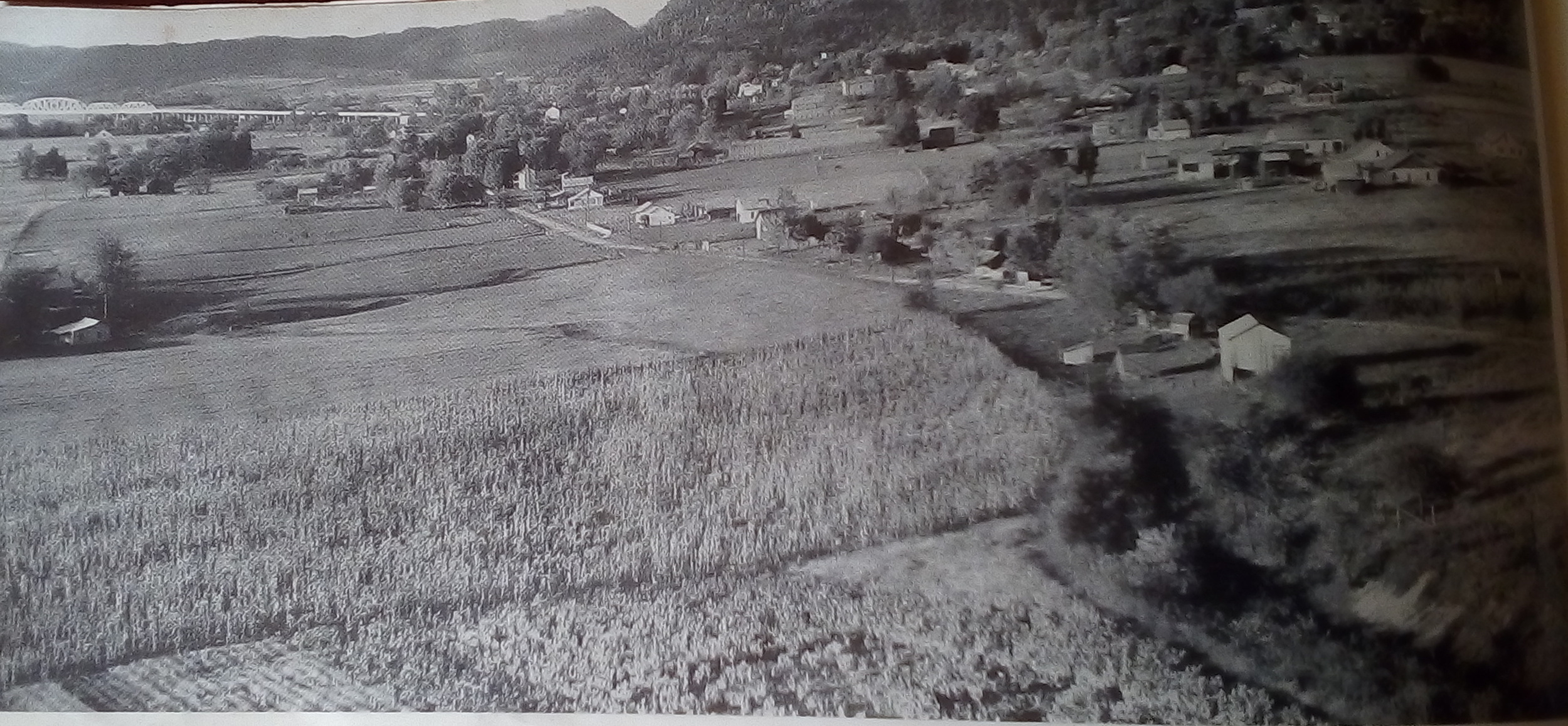
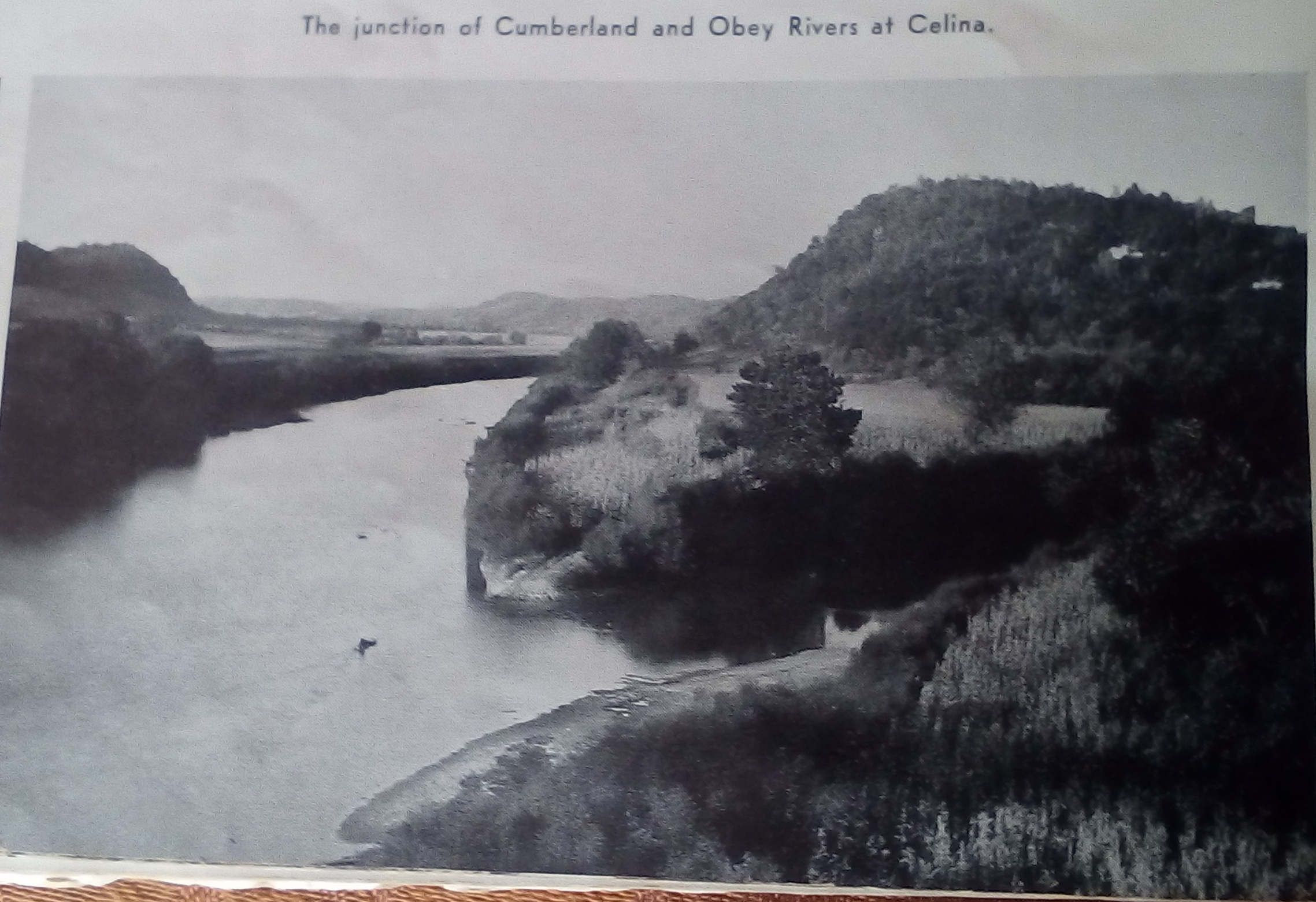
Sitting in the heart of Clay County, Celina is today the jumping off point for recreational opportunities at Dale Hollow Lake.  Since the Dale Hollow Dam was not completed until 1943, our historic publication wouldn’t have realized the effect of the project on the Celina area.  The information in this article is simply informative with little of the marketing that we’ve seen for other towns in the Upper Cumberlands.

The booklet gives a very brief history with a passing note to the “Free Hills” in the background.  After my realization and historical confession last week, I was curious to learn more about that community and I find it so fascinating that I want to share a little about it even though it isn’t really covered in the March of Progress.

According to www.FreeHillCommunity.org  and the historical marker, a North Carolina slave holder named Virginia Hill bought 2,000 acres of hilly land in the early 1800’s.  Located five miles northeast of Celina, she gave this land to her slaves when she freed them then she left the area.  There is a legend that she left her own multi-racial children among the group.

Free Hills thrived for a time, having “two grocery stores, three clubs, two eateries, two churches, a school, skilled artisans, and three hundred residents.”  Like so many rural Appalachian towns, Free Hills has declined since the 1960’s as residents left farming for more prosperous jobs in urban areas.

As history so often does, this story leaves me with more questions than answers!  Don’t you wonder what ever became of Miss Hill?  If the legend is to be believed, she birthed four children by a man who most certainly was a slave and probably one owned by her father.  She must have loved him a great deal as she surely gave up any possibility of a normal life yet she went to great lengths to try to give her own children as much normality as possible by providing this freedom.  I wonder how old she was when she did this and I wonder where she went when she left.  Do you imagine she went back to the North Carolina plantation now devoid of its workforce and still a century before the Civil Rights movement that would begin to move people of color into every phase of American life.

And what of these people she left behind?  Carving farms and creating a life in the hills of Tennessee would be vastly different than working on an established plantation.  I wonder if they relished their freedom so much that they never complained?  Or did they, like the Children of Israel cry out to the spirit of their benefactor that she had brought them to this place to die.  Did they think it would have been better to remain slaves on Mr. Hill’s plantation?

For us twenty-first century Americans who have never known really any restrictions on our freedom, it’s hard to read the biblical account of the Exodus and really appreciate the complaints.  I always think that surely freedom is worthwhile even in really bad conditions.  But when I think about the difference in working an established plantation (and some of the slaves probably never saw the fields for they were ‘house slaves’) and trying to clear a Tennessee hillside, grubbing out stumps with nothing more than a broad axe and a mule and trying to nurse a crop out of soil that would rather erode into the river than nourish your family.  It must have been easy to look back fondly on their days of bondage.

Oh my, there’s a story in this!